//users/75b07cd6-c9af-4c46-8c32-be574c08bfae/ratecard/01-portrait.png)
%2Ffit-in%2F300x300%2Fusers%2F75b07cd6-c9af-4c46-8c32-be574c08bfae%2Fratecard%2F01-portrait.png&w=256&q=75)
%2F300x300%2Fusers%2F75b07cd6-c9af-4c46-8c32-be574c08bfae%2Fimages%2Fsunset-net-fishing-galveston-bay-3673.png&w=256&q=75)
%2F300x300%2Fusers%2F75b07cd6-c9af-4c46-8c32-be574c08bfae%2Fimages%2Fgalveston-bay-fishing-catch-12011.png&w=256&q=75)
%2F300x300%2Fusers%2F75b07cd6-c9af-4c46-8c32-be574c08bfae%2Fimages%2Fgalveston-bay-fishing-boat-catch-7392.png&w=256&q=75)
%2F300x300%2Fusers%2F75b07cd6-c9af-4c46-8c32-be574c08bfae%2Fimages%2Ffishing-catch-galveston-bay-dock-2394.png&w=256&q=75)
%2F300x300%2Fusers%2F75b07cd6-c9af-4c46-8c32-be574c08bfae%2Fimages%2Fscenic-kentucky-countryside-2232.jpg&w=256&q=75)
%2F300x300%2Fusers%2F75b07cd6-c9af-4c46-8c32-be574c08bfae%2Fimages%2Fgreat-fishing-anchorage-2513.jpg&w=256&q=75)
%2F300x300%2Fusers%2F75b07cd6-c9af-4c46-8c32-be574c08bfae%2Fimages%2Fnet-fishing-key-largo-sunset-8754.png&w=256&q=75)
%2F300x300%2Fusers%2F75b07cd6-c9af-4c46-8c32-be574c08bfae%2Fimages%2Fnet-fishing-key-largo-silver-2469.png&w=256&q=75)
%2F300x300%2Fusers%2F75b07cd6-c9af-4c46-8c32-be574c08bfae%2Fimages%2Fkey-largo-fish-catch-2742.png&w=256&q=75)
%2F300x300%2Fusers%2F75b07cd6-c9af-4c46-8c32-be574c08bfae%2Fimages%2Fdouble-bass-catch-key-largo-7603.png&w=256&q=75)
Premier BackCountry Fishing Charter Experience
 Key West, FL, United States
What you will be catching:
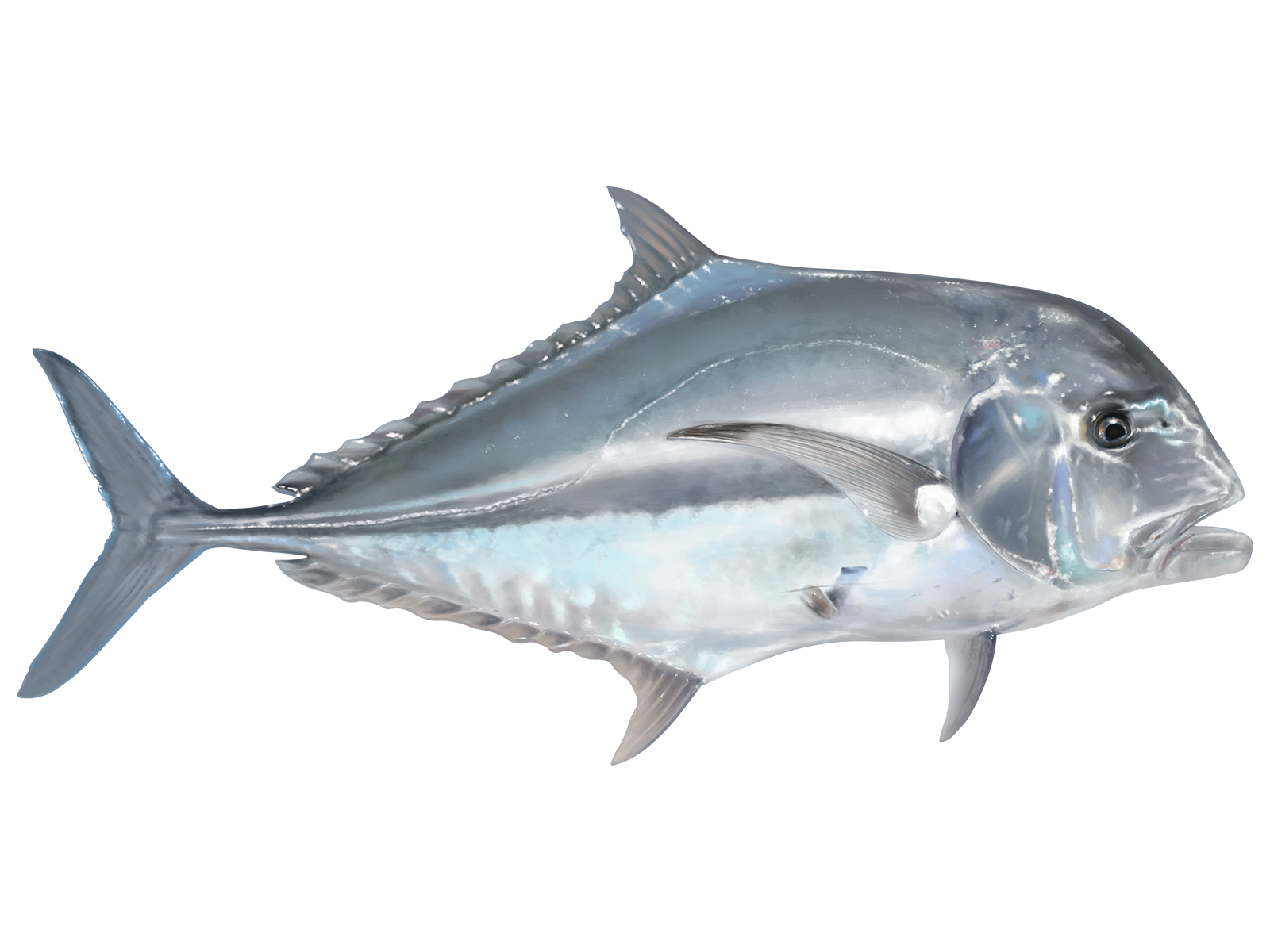 African Pompano
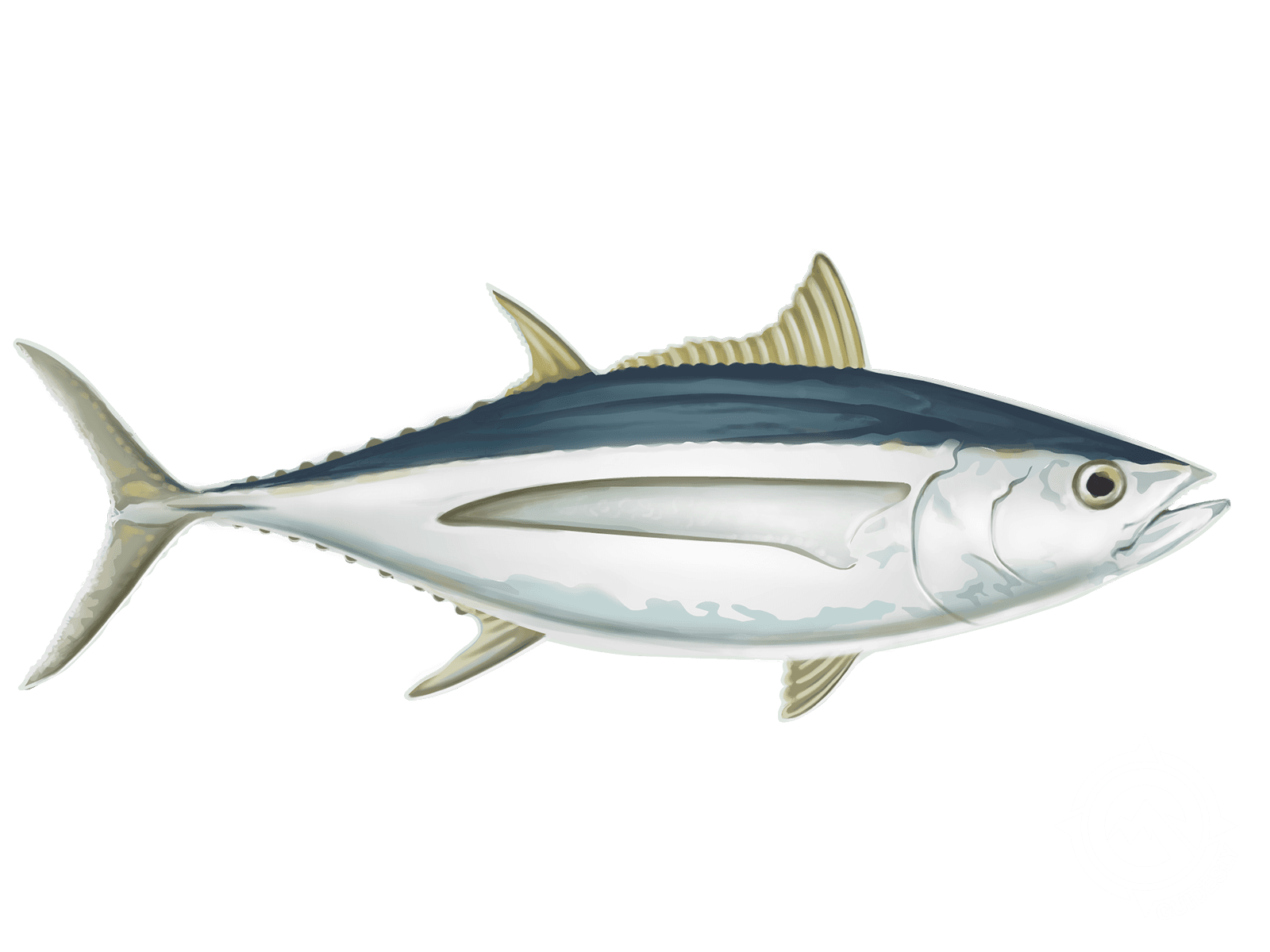
 Albacore Tuna
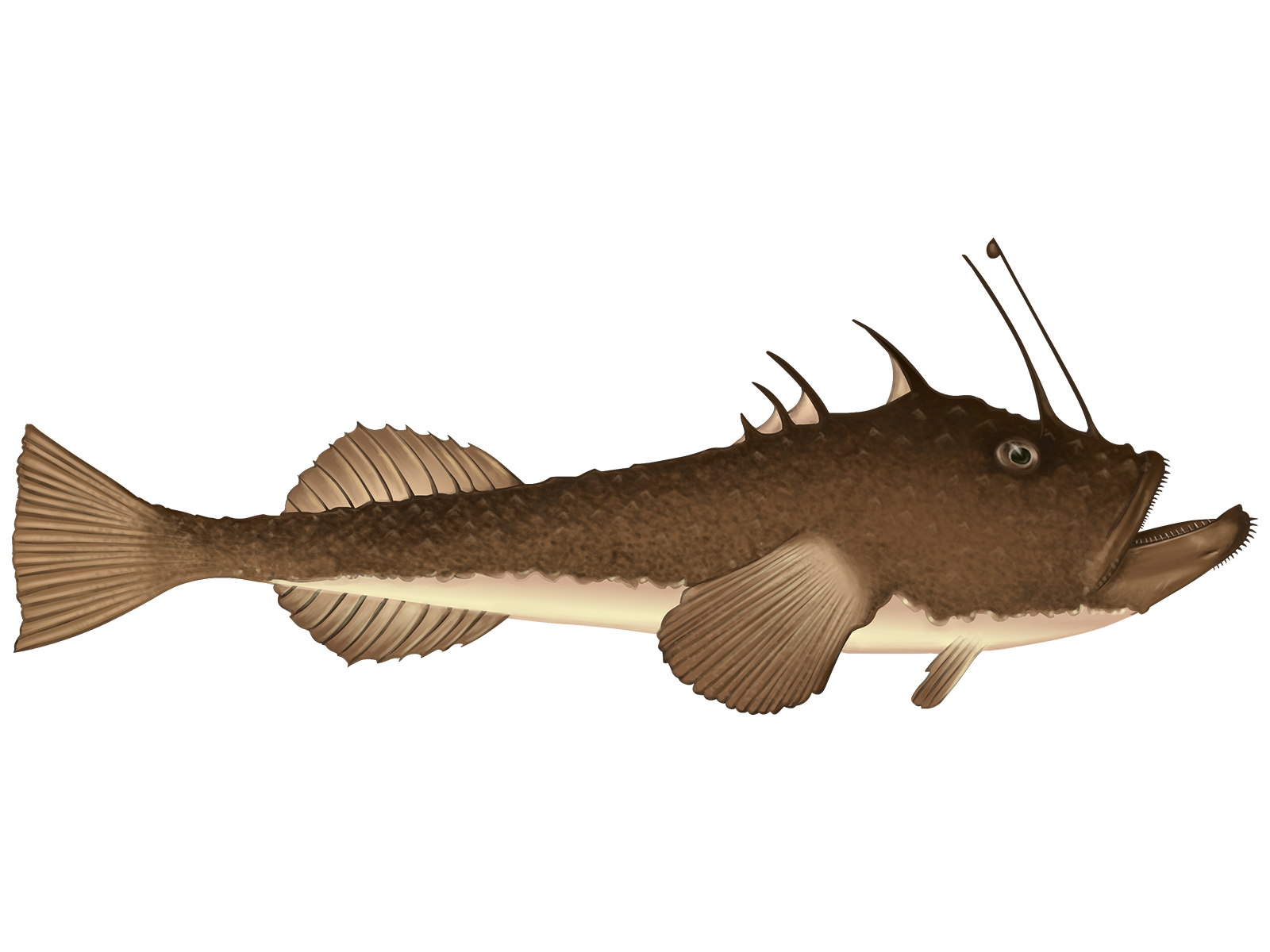 American Angler
 American Gizzard Shad
- Private backcountry fishing adventure for solo anglers
- Professional charter service with intimate group setting
- Specialized access to remote coastal fishing waters
Trip Pricing and Availabilities :
Premier BackCountry Fishing Charter Experience
When you're looking for a top-rated fishing adventure that gets you away from the crowds and into productive waters, Miller Coastal Charters delivers exactly what serious anglers are after. This isn't your typical tourist fishing trip – we're talking about a focused, single-angler charter that puts you on fish in some of the best BackCountry spots around. With just you and our experienced captain, you'll have the flexibility to chase whatever's biting and the personal attention that makes all the difference between coming home with stories or coming home with dinner.
What to Expect on the Water
This single-angler charter is designed for the fisherman who wants maximum fishing time and zero distractions. From the moment we push off, it's all about putting you on fish. Our captain knows these BackCountry waters like the back of his hand, and with only one angler aboard, we can move fast when the bite heats up or switch tactics on a dime when fish get finicky. You'll be fishing structure, drop-offs, and current breaks that hold everything from aggressive pelagics to bottom dwellers. The beauty of a solo charter means we can stay as long as the fish are cooperating in one spot, or cover serious water if we need to hunt them down. Pack light on the personal stuff since meals aren't included – just bring snacks and drinks to keep your energy up during those hot bite windows.
Techniques & Tackle Setup
We run a mix of techniques depending on what species are showing up and where we find them. For the pelagics like albacore tuna, we'll be trolling with spreader bars, cedar plugs, and diving lures to cover water and locate schools. Once we mark fish, we'll switch to chunking and live bait presentations to keep them fired up around the boat. The bottom fishing setup involves heavy tackle with circle hooks when we're targeting deeper structure for american angler and other bottom species. All rods and reels are tournament-grade gear that can handle anything from finicky pompano to bruiser tuna. Our captain will match the tackle to the conditions and target species, but don't hesitate to bring your own rod if you've got a lucky stick – just make sure it's rated for saltwater and can handle fish in the 20-50 pound range.
Top Catches This Season
Albacore tuna are the crown jewel of this fishery, and these silver rockets will test every bit of your fishing skills. These fish typically run 15-40 pounds in our waters, with the occasional beast pushing 60. They're most active during the cooler months when water temperatures drop into their preferred range, usually from late fall through early spring. What makes albies so special is their incredible speed and stamina – when you hook one, you're in for a drag-screaming run that can peel off 200 yards before you know what hit you. They school up in big numbers around temperature breaks and current edges, feeding heavily on baitfish. The meat is outstanding too – firm, red flesh that's perfect for sushi or searing on the grill.
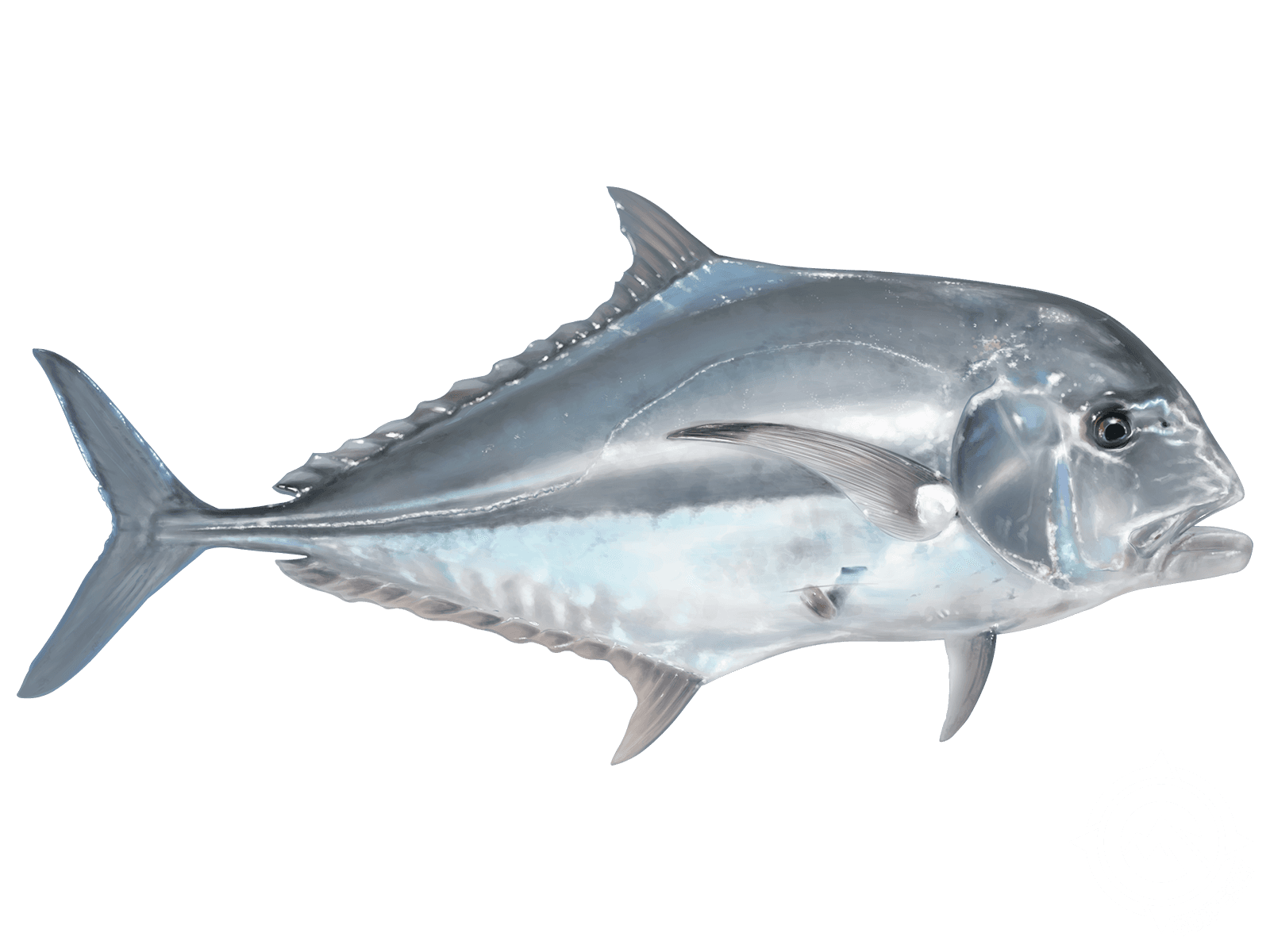
African pompano bring a completely different fight to the table, and they're one of those species that gets veteran anglers really excited. These fish are built like silver bulldogs, typically ranging from 10-30 pounds, with occasional giants reaching 40-plus. They love structure and will often be found around wrecks, reefs, and drop-offs where they can ambush prey. The fight is all about power and endurance rather than speed – they'll pull steady and hard, using their broad sides to leverage against the current. Peak season usually runs through the warmer months when they're most active in shallow to mid-depth ranges. They're curious fish too, often following baits for quite a while before committing, which makes the hookup that much more satisfying.
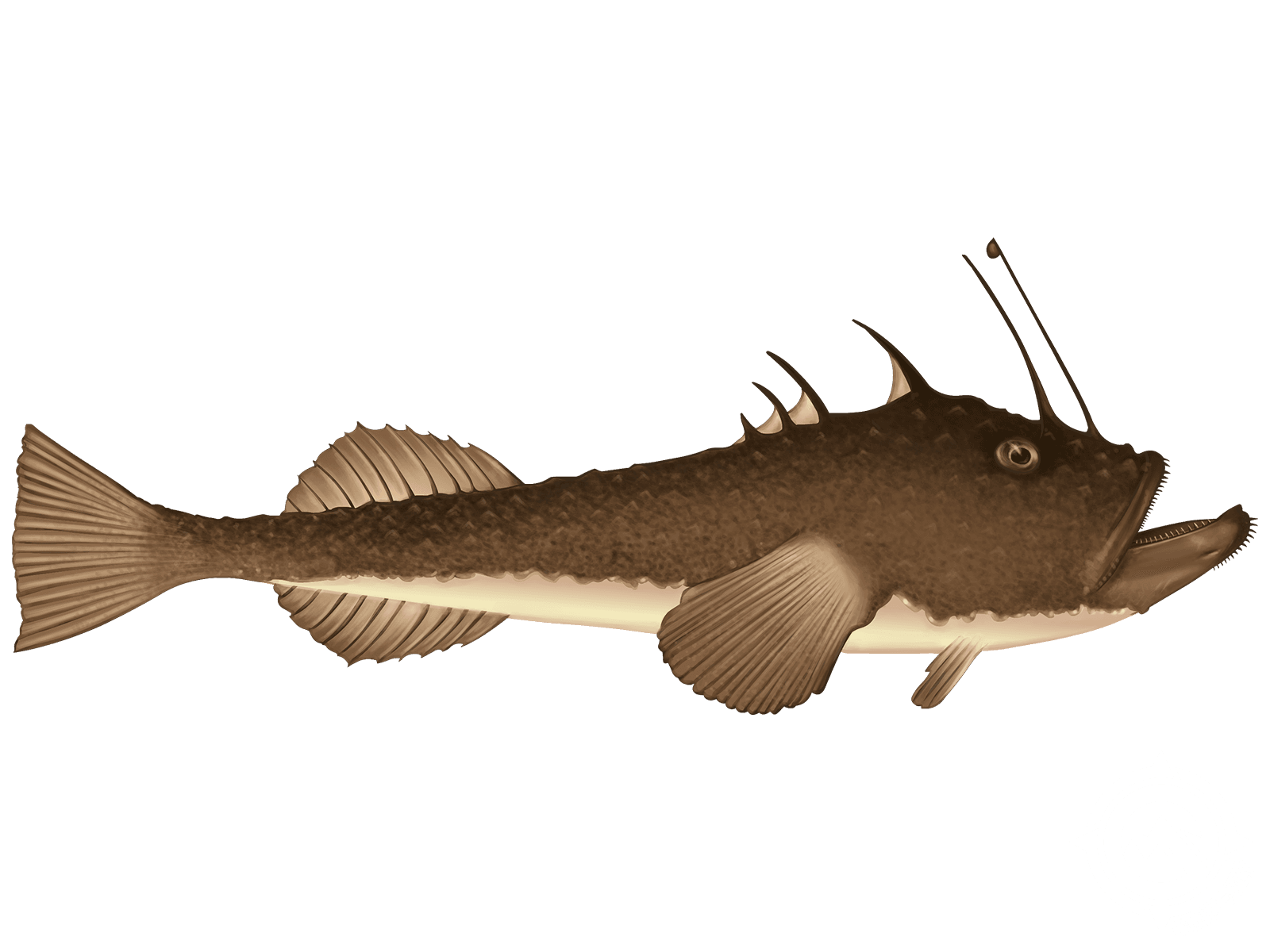
American angler might not be the prettiest fish in the ocean, but they make up for it with size and table fare that's tough to beat. These bottom dwellers can grow massive – we're talking fish that can push 50-100 pounds or more in the right spots. They're ambush predators that sit motionless on the bottom waiting for prey to swim within range of their huge mouths. Finding them requires knowledge of specific bottom structure and the right presentation with large baits fished right on the deck. The best part about targeting american angler is you never know how big the next one might be, and their white, flaky meat is restaurant-quality. They bite year-round but seem most active during spring and fall transitions.
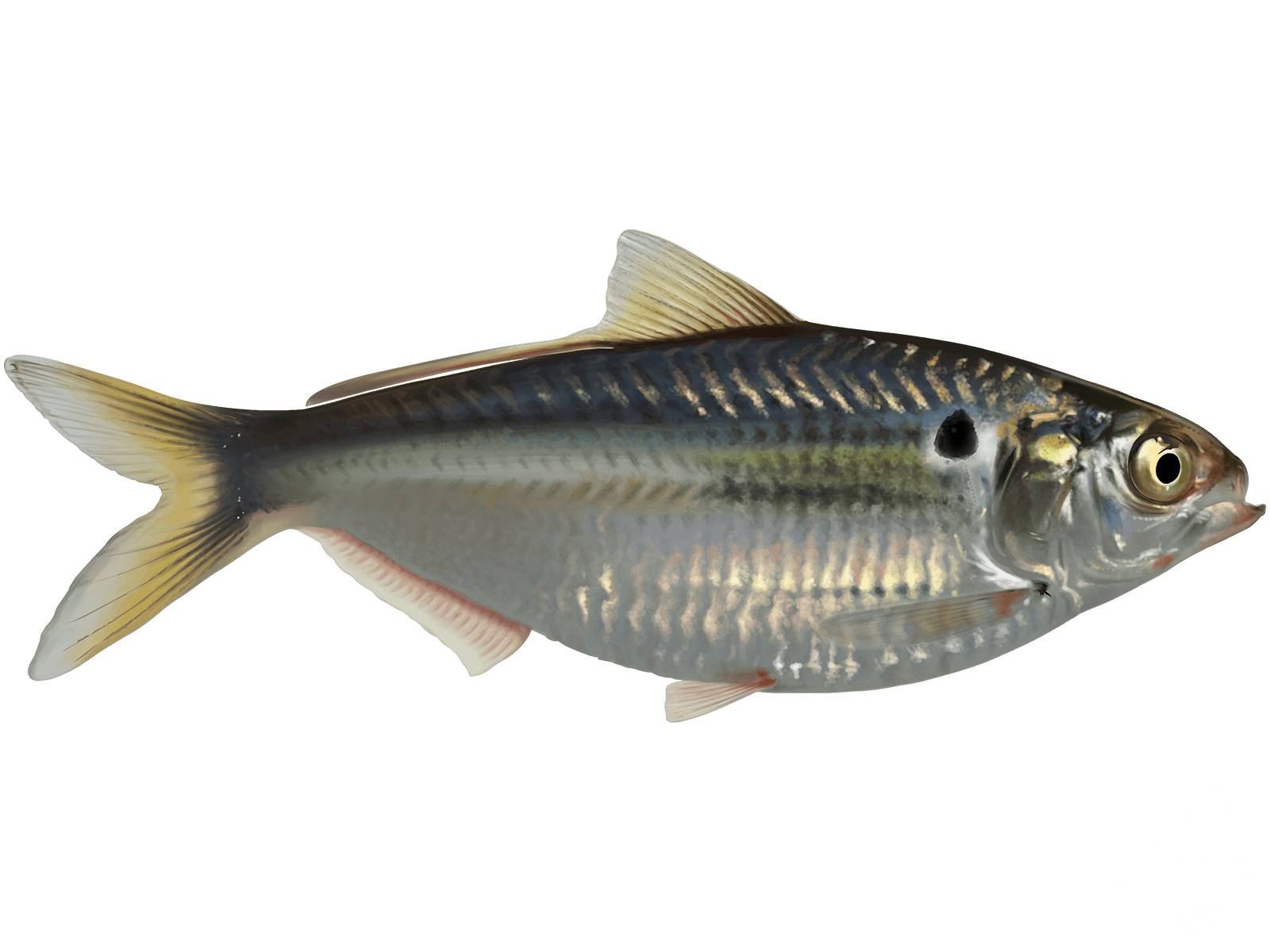
American gizzard shad round out our target species list, and while they might not be the glamour fish, they play a crucial role in the ecosystem and can provide fast action when other species are being stubborn. These silvery baitfish typically run 1-3 pounds and travel in massive schools that attract all the predator species we're after. When we locate a school of gizzard shad, it usually means bigger fish aren't far away. They're filter feeders that respond well to small jigs and light tackle presentations. Many anglers overlook them, but they're actually excellent bait when cut up, and their oil content makes them attractive to almost every predator in these waters. They're most abundant during their seasonal migration periods when they move through our area in huge numbers.
Time to Book Your Spot
If you're serious about your fishing and want a charter experience that's built around putting you on fish rather than entertaining a crowd, this single-angler BackCountry trip with Miller Coastal Charters is exactly what you're looking for. With our captain's local knowledge, top-shelf tackle, and the flexibility that comes with a solo charter, you'll have every advantage when it comes to connecting with quality fish. The species mix in these waters means you never know what might grab your bait next – could be a screaming albacore, a bulldogging pompano, or a monster angler that maxes out the scale. Don't wait until peak season books up solid – reserve your spot now and get ready for the kin
Learn more about the animals
African Pompano
African pompano are striking silvery fish from the jack family that put up serious fights for their size. Adults roam between 30-250 feet of water, preferring areas near the bottom over oceanic shelves. What's cool about these fish is watching them change - juveniles are diamond-shaped with long trailing filaments that shrink as they mature into the classic round pompano shape. They're fast swimmers that cover huge distances and have a thing for shiny, moving objects. This makes them perfect targets for both live bait and jigs. The world record is over 50 pounds from Florida waters, so there's real trophy potential here. Since they feed on crustaceans and smaller fish near structure, work your baits around rocky bottoms and ledges. Pro tip: keep your jigs moving and flashy - these fish are visual hunters that can't resist something that catches the light just right.
Albacore Tuna
These bullet-shaped speedsters are smaller than their tuna cousins, averaging 18-25 inches and 20-45 pounds. What makes albacore special is their white meat - it's the only tuna that can legally be sold as "white meat tuna." You'll find them in deep subtropical waters where they travel in massive schools up to 19 miles wide, which makes for some fantastic fishing days. They're constantly moving since they need oxygen flow over their gills to survive. March through July is prime time when they're spawning. The key trick with albacore is getting that first fish - they're the leader, and once hooked, the whole school usually follows. But let him get away and you'll lose the entire group. Position your lures 50-90 feet behind the boat and be ready for fast action. Their firm texture and mild flavor make them worth every effort.
American Angler
American anglerfish are some of the strangest fish you'll encounter - flat, rocky-colored bottom dwellers that average around 39 inches but can hit 55 inches and over 70 pounds. They're ambush predators that bury themselves in soft, sandy bottoms at depths of 1,200+ feet, using spines on their heads as lures. What makes them fascinating is how they "walk" across the seafloor using their pectoral fins like hands. They'll eat anything that fits in their massive mouths - squid, cuttlefish, even rays and birds after storms push them shallow. The meat is white and firm when cooked, though many folks are put off by parasites. For targeting them, you need big live baits like mackerel or herring that reach the bottom. Drag your bait slowly across the seabed - they'll grab it and fight hard. Safety tip: those jaws are powerful enough to do real damage, so handle them carefully once aboard.
American Gizzard Shad
American gizzard shad aren't glamorous, but they're gold for serious anglers. These silvery, oblong baitfish run 8-14 inches and school heavily in large lakes, reservoirs, and river systems. They've got that distinctive black spot behind the gills and a deeply forked tail. What makes them valuable is their effectiveness as bait for bass, walleye, catfish, and stripers - their strong scent drives gamefish crazy. You'll find them in soft-bottomed areas where they filter-feed on plankton and algae using their specialized gizzard. They're incredibly hardy and adapt to different water conditions, which is why they're found from the Great Lakes down to Florida. Best way to catch them is with a cast net for multiple fish, or use a flasher rig with small hooks if you're rod fishing. Pro tip: they're most active in warmer months when plankton blooms are heaviest.
About the Reel Freedom
%2F%2Fusers%2F75b07cd6-c9af-4c46-8c32-be574c08bfae%2Fvehicle_picture%2Fimages5-mfkq4gxq.jpg&w=1920&q=75)
Vehicle Guest Capacity: 6
Manufacturer Name: Yamaha Marine
Maximum Cruising Speed: 42
Number of Engines: 2
Horsepower per Engine: 350